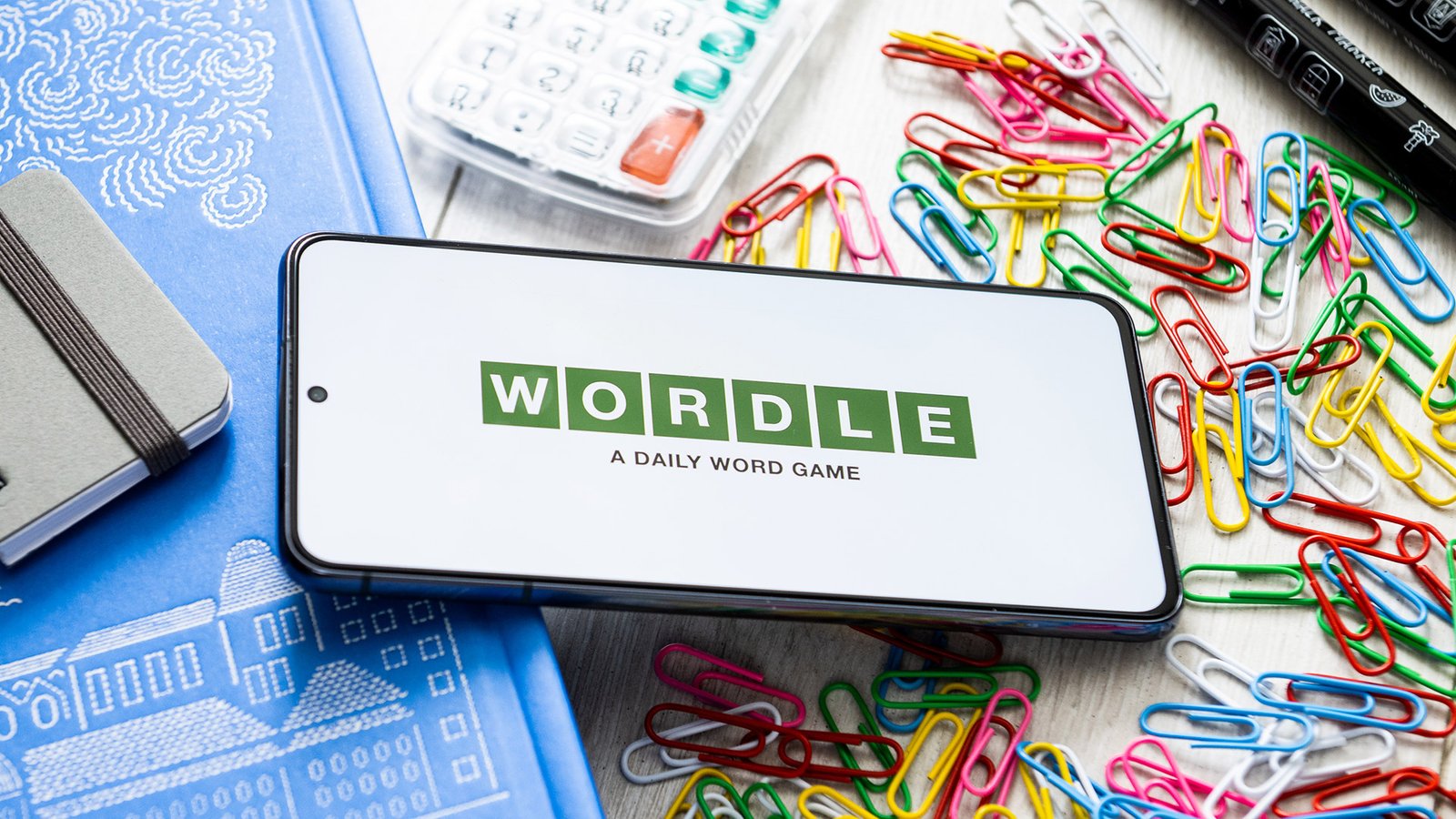
If you’ve spent any time online in the last few years, you’ve probably seen those little colored squares — green, yellow, and gray — popping up on social media feeds. That minimalist grid belongs to Wordle, a daily word puzzle that quietly transformed into a worldwide phenomenon.
What makes this five-letter guessing game so addictive? Why do millions of players return every single day? And how can you actually improve your odds instead of relying on pure luck? Let’s dive in.
What Is Wordle?
At its core, Wordle is a daily online word puzzle where players have six attempts to guess a five-letter word. After each guess, letters change color:
-
Green: Correct letter, correct position
-
Yellow: Correct letter, wrong position
-
Gray: Letter not in the word
That’s it. No flashy animations. No complicated rules. No time pressure. Just logic, vocabulary, and deduction.
Originally created by software engineer Josh Wardle as a personal project, the game gained massive popularity in late 2021. Its success was so explosive that The New York Times acquired it in early 2022, integrating it into their growing puzzle portfolio.
Why Is It So Popular?
The appeal isn’t accidental. It’s brilliantly engineered simplicity.
1. Scarcity Creates Excitement
There’s only one puzzle per day. You can’t binge it. That limitation builds anticipation and habit.
2. Social Sharing Without Spoilers
The emoji grid lets players share results without revealing the answer. It sparks conversation without ruining the challenge.
3. Equal Playing Field
Everyone gets the same word worldwide. It creates a shared daily experience — something rare in the digital age.
A friend once texted me in a panic because she was stuck on her last attempt and didn’t want to break her 87-day streak — that’s when I realized this “simple word game” had become part of people’s routines.
How to Play Smarter (Not Harder)
While it feels random at times, strategy matters.
Start With Strong Opening Words
Choose a first guess rich in vowels and common consonants. Words like:
-
“SLATE”
-
“CRANE”
-
“AUDIO”
These maximize early information.
Think in Patterns
English words often follow common structures (e.g., consonant-vowel-consonant patterns). Recognizing likely combinations narrows possibilities quickly.
Avoid Repeating Gray Letters
Once a letter is ruled out, eliminate it from future guesses. This speeds up deduction.
Use Position Logic
If a letter is yellow, shift it systematically instead of guessing randomly.
Wordle vs Other Word Games
Many puzzle lovers compare it to similar games. Here’s a quick breakdown:
| Feature | Wordle | Crossword Puzzles | Scrabble |
|---|---|---|---|
| Time Commitment | 2–5 minutes | 15–60+ minutes | 30–90 minutes |
| Daily Limit | Yes (1 puzzle) | No | No |
| Social Sharing | Built-in grid | Limited | In-person/online |
| Skill Focus | Deduction & vocabulary | Trivia & clues | Strategy & vocabulary |
| Learning Curve | Very low | Moderate | Moderate–High |
Unlike crosswords, which rely heavily on trivia knowledge, or Scrabble, which demands board strategy, Wordle sits in a sweet spot of accessibility and logic.
The Psychology Behind the Addiction
There’s something deeply satisfying about turning a gray board into green squares. Psychologically, the game taps into:
-
Micro-achievements
-
Pattern recognition rewards
-
Streak motivation
-
Social validation
The streak counter is particularly powerful. Once you build momentum, you don’t want to lose it.
In a real-world scenario, imagine starting your morning coffee, opening your phone, and solving the puzzle before checking emails. It becomes a small win before the day begins — a confidence boost disguised as entertainment.
Has Wordle Changed Over Time?
Since joining The New York Times platform, the puzzle has remained largely consistent. However:
-
Some word selections have been adjusted
-
A few controversial or obscure answers were removed
-
Access may require a NYT account in certain regions
Despite concerns about paywalls, the daily five-letter challenge continues to thrive.
Variations Inspired by Wordle
The success of the original sparked countless spinoffs:
-
Geography-based guessing games
-
Math equation versions
-
Music-based daily challenges
-
Multi-word puzzles
But none quite match the elegance of the original format. Its minimalism is its superpower.
Tips to Maintain a Winning Streak
If streaks matter to you, here’s how to protect them:
-
Play at the same time daily
-
Avoid overthinking early guesses
-
Keep a consistent starting strategy
-
Don’t rush your final attempt
-
Take breaks between guesses if stuck
Ironically, stepping away for a minute often makes the correct word suddenly obvious.
Common Mistakes Players Make
Even experienced players slip up.
-
Ignoring repeated letters
-
Forgetting about plural forms
-
Guessing obscure words early
-
Panicking on attempt five
The best players treat it like logic, not vocabulary show-off time.
Is Wordle Good for Your Brain?
While it’s not a replacement for deep cognitive training, daily word puzzles can help:
-
Reinforce spelling patterns
-
Improve word recall
-
Strengthen deductive reasoning
-
Encourage mental flexibility
It’s a lightweight mental workout — short, sharp, and satisfying.
Why Wordle Works in a Noisy Internet Era
In a world filled with infinite scrolling, notifications, and algorithm-driven feeds, this puzzle feels refreshingly controlled.
There are:
-
No ads
-
No levels
-
No power-ups
-
No pay-to-win mechanics
Just a clean interface and one challenge per day.
That restraint creates loyalty.
The Cultural Impact
The emoji grid became instantly recognizable across platforms like Twitter, Instagram, and group chats. It wasn’t just a game — it became a shared language.
Teachers use it in classrooms. Families compete across time zones. Coworkers discuss it in meetings.
Few digital experiences manage to be both solitary and communal at the same time. Wordle does.
Should You Play It?
If you enjoy:
-
Short, satisfying puzzles
-
Logical deduction
-
Friendly competition
-
Daily rituals
Then yes — it’s worth trying.
If you prefer long gaming sessions or complex mechanics, it might feel too simple. But sometimes, simplicity is exactly the point.
Read More: Make1M.com: Your Path to Smart Online Earnings
Conclusion
Wordle proves that brilliance doesn’t require complexity. A single five-letter word each day has managed to unite millions of people in a shared mental challenge.
It’s quick enough for busy schedules, challenging enough to feel rewarding, and social enough to spark conversation.
And perhaps that’s the secret: it gives you something small to look forward to — a daily moment of focus in an otherwise distracted world.
FAQs
1. Is Wordle free to play?
Yes, it is available through The New York Times platform, though account requirements may vary.
2. How often does a new puzzle appear?
One new puzzle is released daily at midnight local time.
3. Can you play old puzzles?
Officially, past puzzles are not replayable on the main platform, though archives may exist elsewhere.
4. What happens if you miss a day?
Your streak resets if you skip a puzzle.
5. What’s the best first word?
There’s no perfect answer, but vowel-heavy words like “SLATE” or “CRANE” are statistically strong starters.