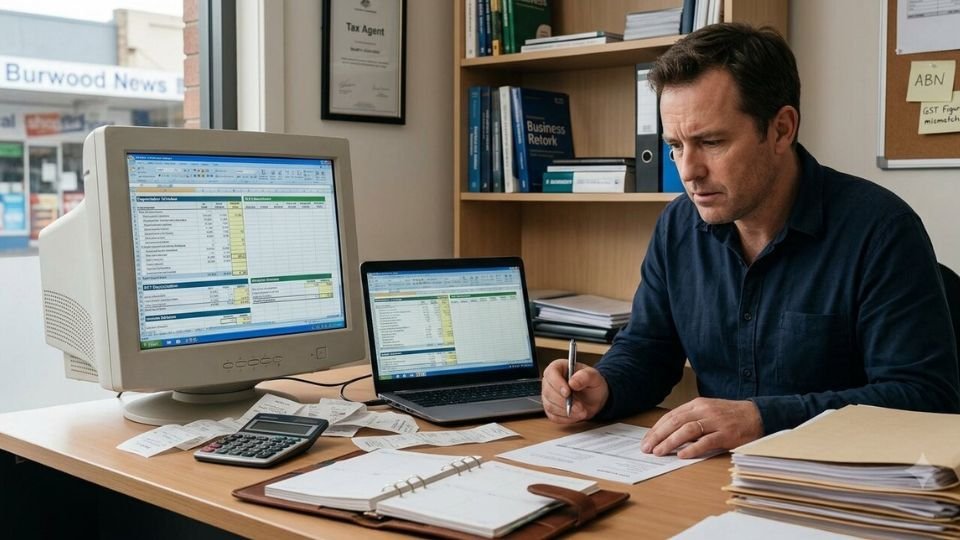
Most small business owners start out doing their own books. It makes sense at the start. Revenue’s low, the business is simple enough to track in a spreadsheet, and paying someone else to do what a few formulas can handle feels unnecessary. Then the business grows, the spreadsheet grows with it, and at some point around tax time someone’s up at midnight trying to reconcile a GST figure that hasn’t matched in three months. That’s usually when people start looking for tax accountants in Burwood, often later than they should have.
The spreadsheet was never the problem. The assumption that it would stay simple was.
Where the DIY Approach Breaks
A sole trader with one income stream and a handful of expenses can genuinely manage their own tax return. Add a second income stream, an ABN, some equipment purchases that need to be depreciated correctly, and the whole thing gets complicated fast. Depreciation schedules alone trip up a lot of business owners. So do the rules around what counts as a legitimate deduction versus what just feels like one.
Common mistakes that show up every tax season:
- Claiming the full cost of an asset instead of depreciating it properly
- Mixing personal and business expenses in the same account
- Missing BAS lodgement dates and copping avoidable penalties
- Underestimating quarterly PAYG instalments, then scrambling at tax time
- Not tracking deductible expenses throughout the year, so half of them get forgotten
None of these mistakes are wrong. They’re just what happens when someone’s running a business and doing their own books in the gaps between everything else.
Why “Cheap” Software Isn’t Actually Cheap
Accounting software has gotten good, genuinely good, and for a lot of straightforward situations it does the job fine. But software doesn’t know your specific circumstances, and it’s not going to explain how to maximise a tax return the way an accountant would in a five-minute conversation. It doesn’t flag that a deduction you’re claiming is borderline, or notice that restructuring how you’re paying yourself could save several thousand dollars a year. It processes what you enter. It doesn’t think about what you haven’t entered.
That’s the gap an accountant actually fills. A good accountant isn’t there to type numbers into boxes faster than you can. They’re there because they’ve seen a hundred businesses in similar situations make the same mistakes, and they know which ones are expensive enough to be worth avoiding. That knowledge is the actual product, not the lodgement itself.
What a Local Accountant Actually Adds
There’s a reasonable argument that any accountant, anywhere, can do a tax return. Technically true. But someone based locally tends to understand the specific pressures of running a business in that area: council rates, local commercial rent trends, the kind of clients or customers most businesses nearby are dealing with. It’s a smaller advantage than the technical expertise, sure, but it’s not nothing.
Burwood specifically has a mix of small retail operators, tradies, and professional services businesses, and each of those has slightly different tax considerations. A tradie claiming vehicle expenses runs into different rules than a consultant claiming home office costs. An accountant who works with that mix regularly tends to catch the details that a generic online service might miss.
When to Actually Make the Call
Waiting until the return is due is the worst time to start looking for help. Good accountants get busy in the lead-up to tax season, and rushed advice tends to be worse advice. If the business has grown past a single income stream, if there’s been a structural change like moving from sole trader to company, or if last year’s return felt like guesswork, that’s the signal to sort it out properly before the next deadline creeps up. The spreadsheet can stay. It just shouldn’t be doing the accountant’s job anymore.