Some messages are never meant to be sent—but that doesn’t mean they don’t deserve to exist. The Unsent Project is built around this exact idea: a digital space where people share text messages they wrote but never delivered, usually to a first love, a lost partner, or someone who changed their life. What makes it powerful isn’t the platform itself—it’s the raw, unfiltered honesty behind every submission.
At a time when most online spaces reward perfection, this project does the opposite. It embraces vulnerability, emotional messiness, and the kind of thoughts we usually keep buried.
What Is the Unsent Project Really About?
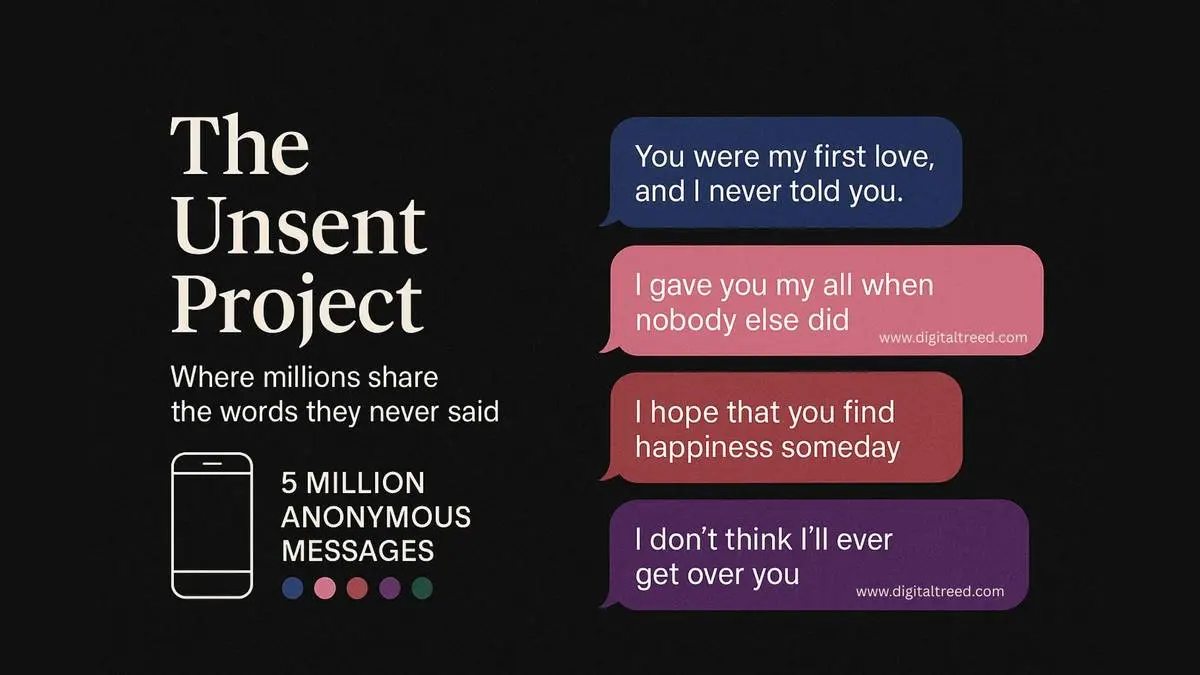
At its core, the Unsent Project is a public archive of private emotions. People anonymously submit messages they wish they had sent—or are relieved they never did. These messages are then published, often color-coded to represent emotional states like love, regret, anger, or hope.
Unlike social media posts crafted for likes, these messages aren’t polished. They’re short, intense, and deeply human. Some are a single sentence. Others read like emotional confessions squeezed into a text box at 2 a.m.
The idea taps into something universal: we all have words we never said.
Why So Many People Connect With It
The popularity of this project didn’t happen by accident. It resonates because it reflects real emotional experiences without judgment or commentary.
Here’s why it hits so hard:
-
It normalizes unsaid feelings
-
It creates emotional release without confrontation
-
It reminds people they’re not alone in their pain
-
It turns private grief into shared understanding
I still remember scrolling through it late one night and unexpectedly finding a message that mirrored something I’d written—but never sent—years ago, and it felt strangely comforting.
How the Platform Works in Practice
Submitting a message is simple. Users write a text addressed to someone specific, select a color that reflects the emotion, and send it anonymously. No usernames. No likes. No comments attached to individual submissions.
The messages are displayed publicly, allowing others to browse and emotionally connect without interacting directly.
Real-World Use Cases of Unsent Emotional Communication
Imagine someone who went through a breakup years ago. They’ve moved on, built a life, but there’s still one sentence they never said—an apology, maybe, or a thank-you. Writing that message on the Unsent Project doesn’t reopen the relationship, but it provides closure. The emotion is acknowledged, released, and shared without consequences.
That emotional safety is what keeps people coming back.
Emotional Expression vs Traditional Social Platforms
To understand why this project feels different, it helps to compare it with other platforms people use for emotional expression.
| Feature | Unsent Project | Social Media | Private Journaling |
|---|---|---|---|
| Anonymity | High | Low | Complete |
| Audience | Public but distant | Public and personal | None |
| Emotional honesty | Raw and unfiltered | Often curated | Very raw |
| Feedback loop | Silent validation | Likes/comments | Self-reflection only |
| Emotional risk | Low | High | None |
This balance—being seen without being exposed—is what makes it uniquely powerful.
More Than Just Sad Messages
While many associate the Unsent Project with heartbreak, that’s only part of the picture. There are also messages filled with gratitude, forgiveness, humor, and even relief.
Some messages say:
-
“Thank you for leaving when you did.”
-
“I’m finally happy, and I hope you are too.”
-
“I loved you the best way I knew how.”
This emotional range prevents the platform from becoming overwhelming. Instead, it reflects the full spectrum of human connection.
The Psychology Behind Unsent Messages
From a psychological standpoint, writing unsent messages can be therapeutic. It allows emotional processing without triggering confrontation or rejection.
Studies on expressive writing suggest that articulating thoughts—even without a recipient—can:
-
Reduce emotional stress
-
Improve mental clarity
-
Help process unresolved relationships
-
Support emotional closure
The Unsent Project essentially turns this private therapeutic exercise into a collective experience.
Why It’s Especially Popular With Younger Audiences
Younger generations are more open about mental health and emotional vulnerability, but they’re also wary of oversharing under their real identities. This project offers a middle ground.
It’s emotional, but not embarrassing.
Public, but still safe.
Personal, yet anonymous.
That balance aligns perfectly with how Gen Z and millennials navigate emotional expression online.
Ethical and Emotional Considerations
Because submissions are anonymous, ethical responsibility largely falls on the user. The platform avoids naming individuals, which helps protect privacy. However, reading intense emotional content can be heavy for some users.
It’s best approached with awareness—this is not entertainment, but emotional storytelling.
Why the Concept Works Long-Term
The strength of the Unsent Project isn’t trend-based. It’s rooted in something timeless: human regret, love, and longing. As long as people form relationships, there will be words left unsaid.
That’s what gives it staying power. It doesn’t rely on algorithms, influencers, or viral hooks. It relies on emotional truth.
Read More: Anna’s Archive Explained: Free Books, Risks & Facts
Final Thoughts
The Unsent Project isn’t about messages—it’s about moments. Moments where people paused, hesitated, or chose silence. By giving those moments a place to live, the project transforms emotional weight into shared understanding.
In a digital world obsessed with being seen, this space proves that sometimes, being felt matters more.
FAQs
Is the Unsent Project anonymous?
Yes. All submissions are anonymous, and users are not required to create personal profiles.
Can someone identify who a message is about?
Messages avoid names and identifiable details, which helps protect both the sender and recipient.
Is it only about romantic relationships?
No. Messages can be about family members, friends, former partners, or anyone emotionally significant.
Is reading the messages emotionally overwhelming?
It can be for some people. It’s best approached mindfully, especially if you’re emotionally sensitive.
Can writing an unsent message be therapeutic?
Many people find emotional relief through writing unsent messages, as it allows expression without confrontation.