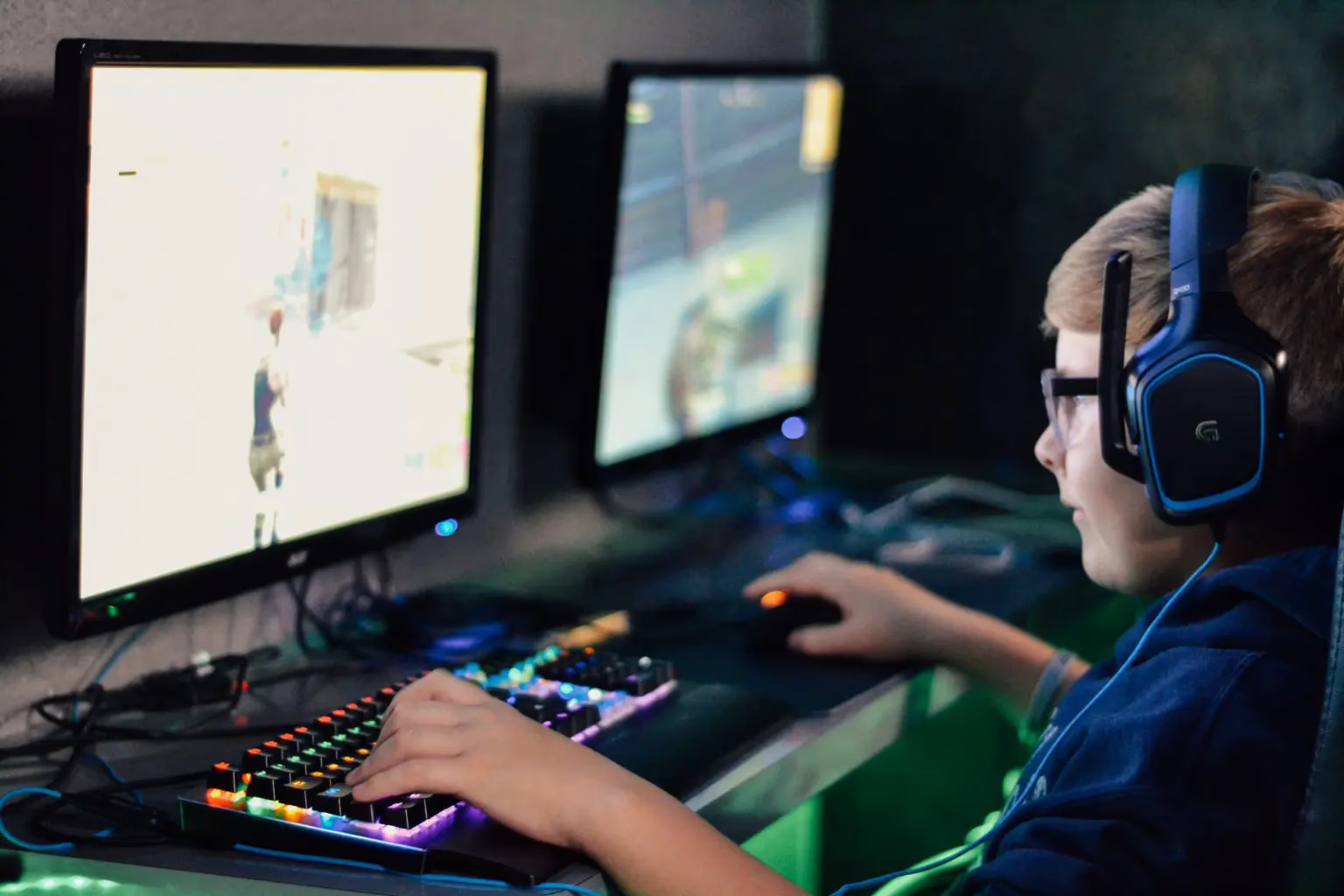
Gaming can be an enjoyable way to relax, socialize, and challenge oneself. However, for some individuals, gaming can shift from a hobby to a problem. When it starts interfering with daily life, relationships, health, or responsibilities, it may indicate gaming addiction, also known as gaming disorder. This condition is characterized by compulsive gaming, difficulty controlling playtime, and continued gaming despite negative consequences.
The good news is that gaming addiction can be managed and overcome. Recovery involves understanding the problem, setting boundaries, replacing gaming with healthier activities, and addressing the underlying emotional and psychological factors that drive compulsive play. This article provides practical, evidence-based strategies to help you or a loved one regain control, improve overall well-being, and lead a balanced life. By following these steps, you can enjoy gaming responsibly without letting it dominate your life.
1. Understanding Gaming Addiction
Gaming addiction goes beyond simply playing too much. It involves a loss of control over gaming, prioritizing it over real-life responsibilities, and continuing to play despite negative impacts on health, relationships, or work.
What It Is
Gaming addiction, recognized by health professionals as gaming disorder, is marked by obsessive thoughts about gaming and an inability to reduce playtime. It can cause disruptions in sleep, work, social connections, and mental health.
Why It Happens
-
Brain rewards: Games activate dopamine pathways, creating pleasurable sensations that can become addictive.
-
Emotional triggers: Stress, anxiety, or loneliness can drive individuals to use gaming as an escape.
-
Game design: Modern games use rewards, progression systems, and social interactions that make stopping more difficult.
2. Recognizing the Signs and Symptoms
Identifying gaming addiction early is essential for recovery. Common signs include:
-
Excessive gaming hours at the cost of sleep, work, or studies.
-
Preoccupation with gaming even when not playing.
-
Withdrawal symptoms like irritability, anxiety, or restlessness when unable to play.
-
Social isolation or neglect of relationships.
-
Neglecting responsibilities and hobbies once enjoyed.
-
Loss of control, feeling unable to stop despite negative consequences.
3. Setting Healthy Boundaries
Creating structure around gaming is crucial to prevent compulsive behavior.
Strategies to Limit Gaming
-
Schedule gaming times: Set specific hours and stick to them.
-
Take breaks: Step away every hour or two to prevent burnout.
-
Avoid late-night gaming: Protect your sleep cycle and mental health.
Tools to Help
-
Use screen-time tracking or app-blocking tools.
-
Disable notifications or remove games from easy access points.
4. Replacing Gaming with Healthy Activities
One of the most effective ways to overcome gaming addiction is to fill your time with meaningful alternatives.
Physical Activities
Exercise releases endorphins and provides a sense of achievement outside of gaming. Consider walking, jogging, swimming, yoga, or joining a sports club.
Creative and Mental Engagement
-
Try hobbies like drawing, writing, playing music, or cooking.
-
Learn new skills or take up educational courses.
-
Journal your thoughts and set daily or weekly goals.
These activities not only provide a healthy dopamine boost but also improve life satisfaction and reduce reliance on gaming for emotional fulfillment.
5. Managing Triggers and Emotional Health
Gaming addiction often masks deeper emotional or psychological issues. Learning to manage stress and emotions is essential for long-term recovery.
Stress Management Techniques
-
Practice mindfulness, meditation, or deep-breathing exercises.
-
Recognize urges to game without acting on them, using mindfulness to respond intentionally.
Addressing Emotional Needs
-
Identify underlying feelings such as anxiety, depression, or boredom.
-
Develop healthy coping mechanisms like talking to friends, exercising, or creative expression.
6. Building a Support System
Recovery is easier when you have support.
Family and Friends
Openly discuss your struggles with loved ones to foster accountability and encouragement.
Peer Support
Joining recovery communities or support groups allows you to share experiences, gain motivation, and feel less isolated.
7. Professional Help and Therapy
If self-help strategies are not enough, professional assistance can make a significant difference.
Therapy Options
-
Cognitive Behavioral Therapy (CBT): Helps identify patterns and change addictive behaviors.
-
Family Therapy: Strengthens communication and support systems.
-
Individual Counseling: Provides personalized strategies for recovery.
Therapists can also address coexisting conditions like depression, anxiety, or trauma that contribute to gaming addiction.
8. Developing a Digital Wellness Plan
Balanced gaming is possible without giving it up completely.
Practical Steps
-
Create a daily routine with limited screen time.
-
Set clear goals for work, study, and social activities.
-
Reward yourself for meeting milestones, such as reducing gaming hours or trying new hobbies.
A structured plan encourages healthy habits without feeling deprived.
9. Long-Term Recovery Habits
Sustainable recovery requires ongoing effort and mindfulness.
-
Track your progress: Keep a journal to monitor gaming habits, triggers, and alternatives.
-
Review goals regularly: Adjust limits as you grow and gain more control.
-
Stay socially engaged: Prioritize real-life interactions and meaningful connections.
Recovery is not about quitting games entirely but regaining control and ensuring they enhance life rather than dominate it.
Read More: Why Updates Matter: JotechGeeks Guide
Conclusion
Overcoming gaming addiction is a journey that requires patience, understanding, and commitment. Gaming itself is not inherently harmful, but when it starts to interfere with health, relationships, and responsibilities, action is necessary. By recognizing the signs, setting limits, and replacing gaming with healthy and fulfilling activities, you can regain control of your life. Building emotional resilience, seeking support from loved ones, and consulting professionals when necessary makes recovery sustainable.
Remember, the goal is not only to reduce gaming but to cultivate a balanced, fulfilling lifestyle that prioritizes your well-being. Recovery is possible for everyone willing to commit to change, create healthier habits, and develop a supportive environment. With persistence and the right strategies, you can enjoy gaming responsibly while leading a more productive, connected, and rewarding life.
FAQs
1. What is gaming addiction?
Gaming addiction is a compulsive pattern of gaming that interferes with daily life, relationships, and responsibilities. It is marked by inability to control playtime and continued gaming despite negative consequences.
2. How do I know if gaming has become a problem?
Signs include excessive gaming hours, neglecting work or school, irritability when not playing, social isolation, and loss of interest in other hobbies.
3. Can gaming addiction be treated?
Yes. Effective strategies include setting limits, replacing gaming with other activities, seeking therapy, and receiving support from family or peer groups.
4. How long does recovery take?
Recovery varies. Some people see improvement in weeks, while others take months. Consistency, patience, and structured routines are key.
5. Do I need to delete games to overcome addiction?
Not necessarily. While removing games can reduce triggers, the focus should be on balance, self-control, and healthier habits rather than complete abstinence.